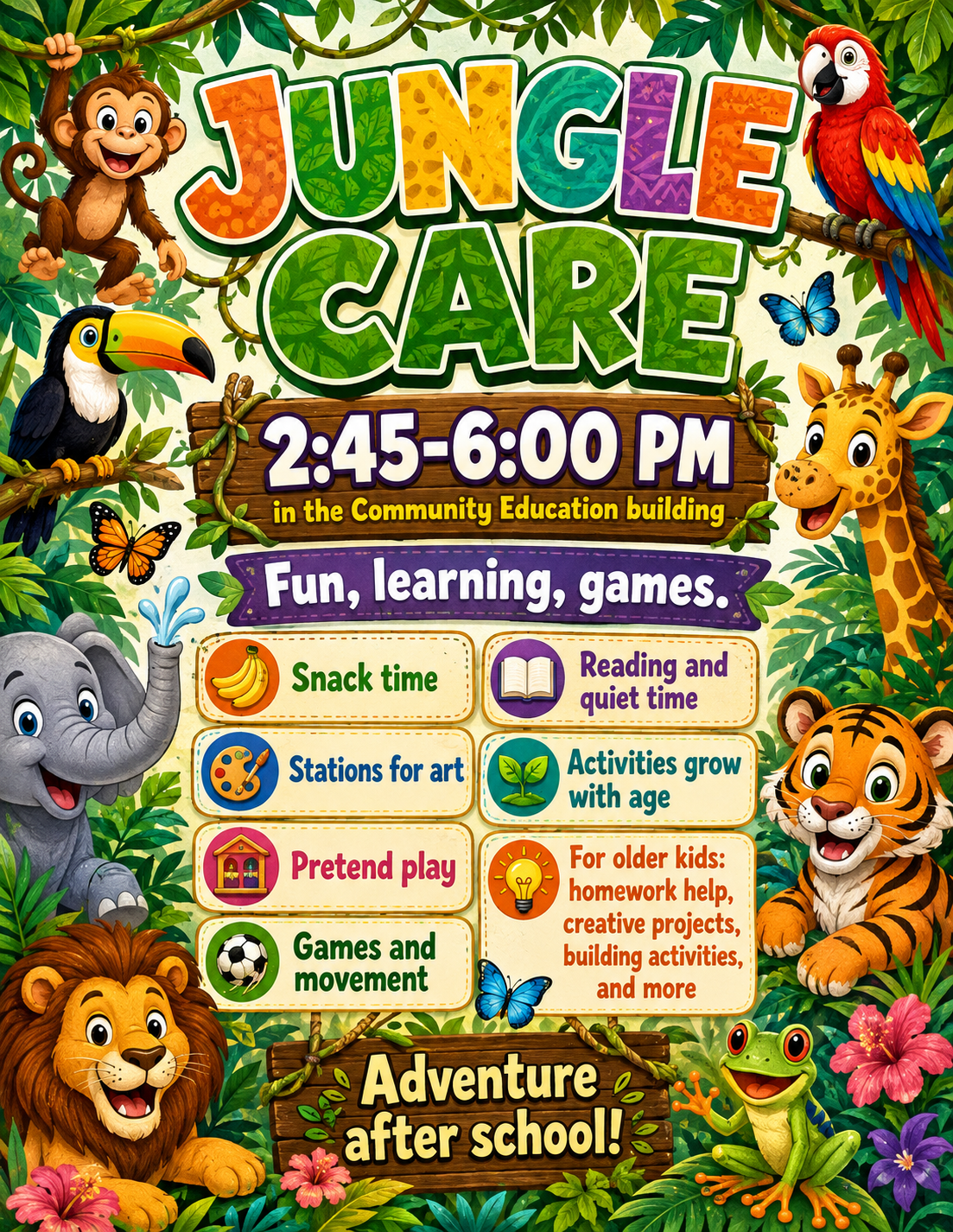
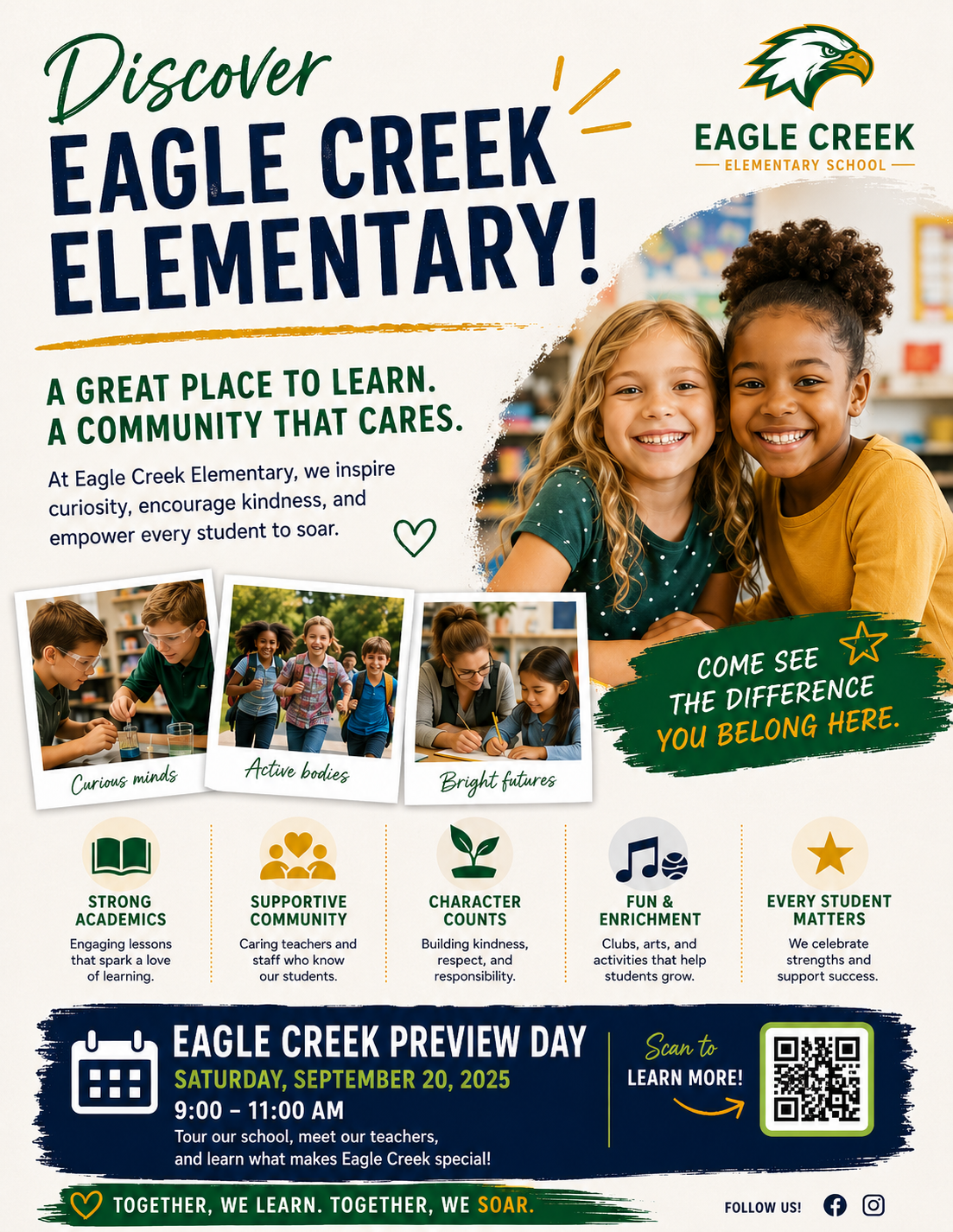
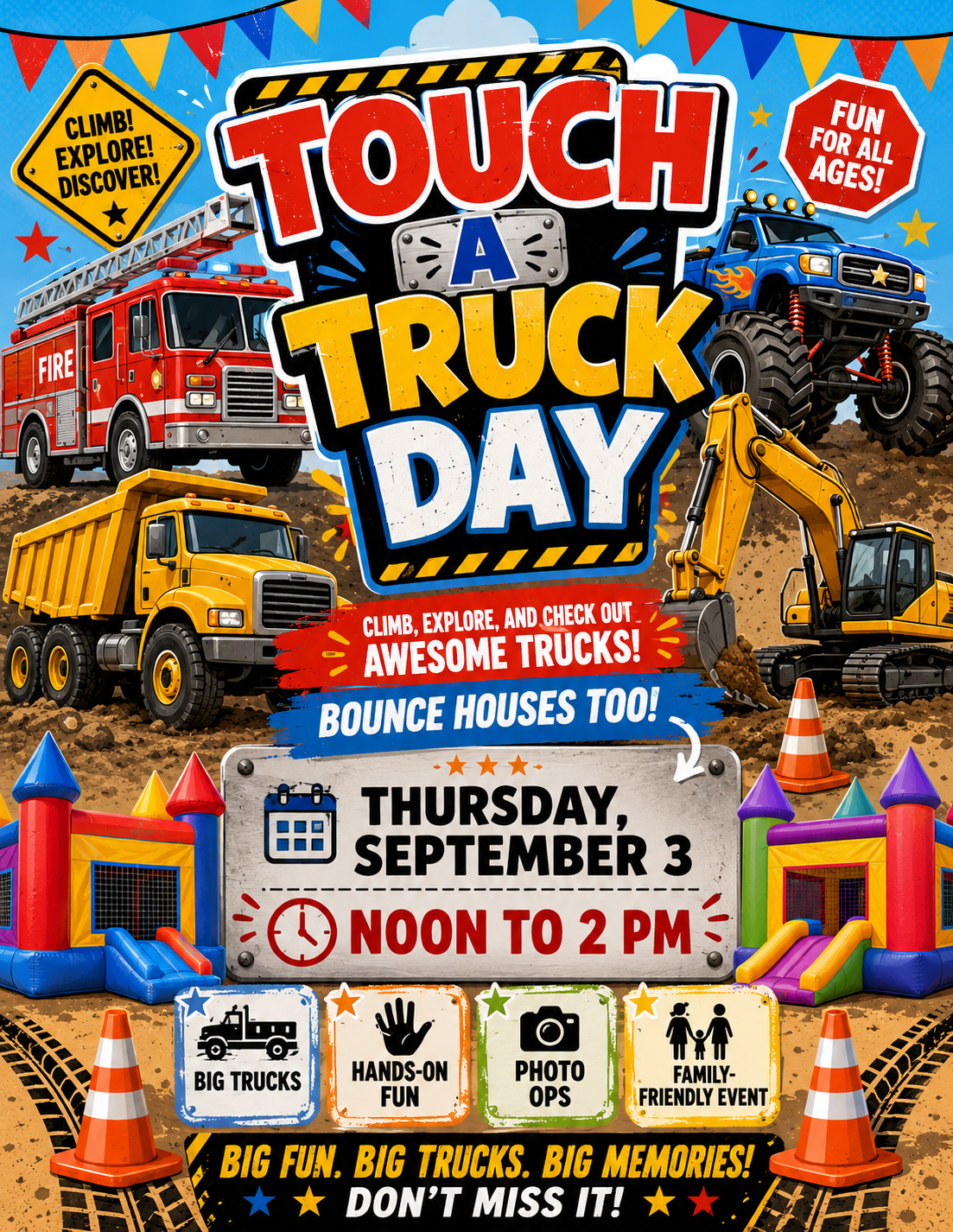
Staff-created flyers aren’t new. Neither are stretched logos, twelve-font event posters, or clip art that has mysteriously survived from 1997. What’s new is the speed. Now, someone can ask AI to “make a fun, exciting flyer for Family Math Night” and have something reasonably polished-looking in literal seconds. That makes the decentralized design problem even harder to manage.
And because those flyers are fast and “look pretty good,” staff may not even realize there’s a problem.
First, Figure Out What You’re Trying to Stop
Let’s be realistic. A complete AI ban probably isn’t the solution. Generative AI tools are embedded in nearly every piece of software we use today, or soon will be, and we can’t deny that the time-saving potential is incredibly appealing.
So instead of issuing a “No AI” edict, focus on the risk rather than the technology.
- Off-brand colors, fonts, and logos
- Inaccessible designs
- Incorrect information
- AI-generated images that don’t accurately represent your students or schools
- Fake or nonsensical text embedded in images
- Copyright or licensing concerns
- Materials that look official but haven’t been reviewed
- Five different versions of the same event information floating around
Don’t Make Your Communications Office the Flyer Police
It’s the impossible conundrum. Either we make ourselves the design police, or we allow a free-for-all. There has to be something in between.
We recommend tiers for approval. It won’t completely solve the problem, but it can help.
Districtwide/public-facing communications: Communications/design approval required. This includes Community Education, where there’s often a high volume of public-facing materials and lots of… enthusiastic creators.
School-level communications: Use approved templates and brand standards.
Classroom/internal materials: More flexibility, but basic brand and AI-use rules still apply.
Not everything needs professional design. Everything does need appropriate guardrails. Accessibility is one of the clearest reasons why: districts are legally required to make public information accessible, and AI-generated flyers often need significant review and remediation before they meet that standard.
Give Staff Something Easier Than AI
You can’t tell someone:
Don’t make your own flyer. Submit a request, and we’ll get back to you in seven business days.
…when Family Reading Night is Thursday.
Build a library of approved templates for the things schools make constantly:
- Event flyer
- Social graphic
- Open house
- Fundraiser
- Club announcement
- Hiring
- Cancellation/update
- Congratulations
Canva templates with locked brand elements can be an obvious solution. Staff can change the photo, headline, date, and details without reinventing the district’s visual identity every Tuesday.
Your Brand Guidebook Doesn’t Cut It
We love a good brand guidebook. In fact, we create them for clients all the time, and we think everyone should have one. But we also know your Robotics Club isn’t going to read a 27-page brand guide before making an event flyer.
Make the rules ridiculously clear.
Give your creators a half-page design sheet.
YES: Use an approved Canva template and replace the text/photo.
YES: Use AI to brainstorm headlines or shorten copy, then review it yourself.
NO: Generate an image that will represent the district publicly.
NO: Generate a new version of the district logo.
NO: Ask AI to create an entire branded flyer and publish it without review.
ABSOLUTELY NOT: “Make me a logo that’s basically our district logo but with a cooler eagle.” Sorry.
Employees Aren’t Intentionally Destroying the Brand
We all know this. They’re not out to break rules; they’re just trying to get people to family bingo night. And making an AI flyer is fun. They’re easy. They’re cute. They can pack six pages’ worth of information into a single 8.5×11.
“Please don’t” is weaker than “here’s why.” Take the time to let your district and school creators know the why behind the rules.
Explain that consistency helps families recognize official district information. Accessibility helps more people receive it. Review prevents misinformation. Real photography builds trust in ways generic AI students don’t.
You can create the best brand guidelines in the world, but you cannot personally catch every flyer, social graphic, club announcement, and last-minute event post before it goes out.
Principals are much closer to where decentralized communications actually happen. Give them the tools to help reinforce expectations at the building level:
- approved templates
- a one-page “what’s okay” guide
- examples of acceptable and unacceptable materials
- simple language for redirecting staff
- a clear path for questions or exceptions
The goal is not to turn principals into graphic designers. It is to give them enough confidence to spot when something is off and redirect staff before it becomes your problem.
You’re building brand ambassadors throughout the district instead of asking one communications person to patrol every building.
This is the uncomfortable part.
If you create standards but continually allow exceptions because “it’s already made” or “the event is tomorrow,” you’ve taught everyone that the standards are optional.
You don’t have to shame anyone.
Just:
Thanks for putting this together. Before this goes out, please move the information into our approved event template. Here’s the link.
Done.
And Then There’s Athletics
Athletics is notoriously the outlier of school branding. There. We said it.
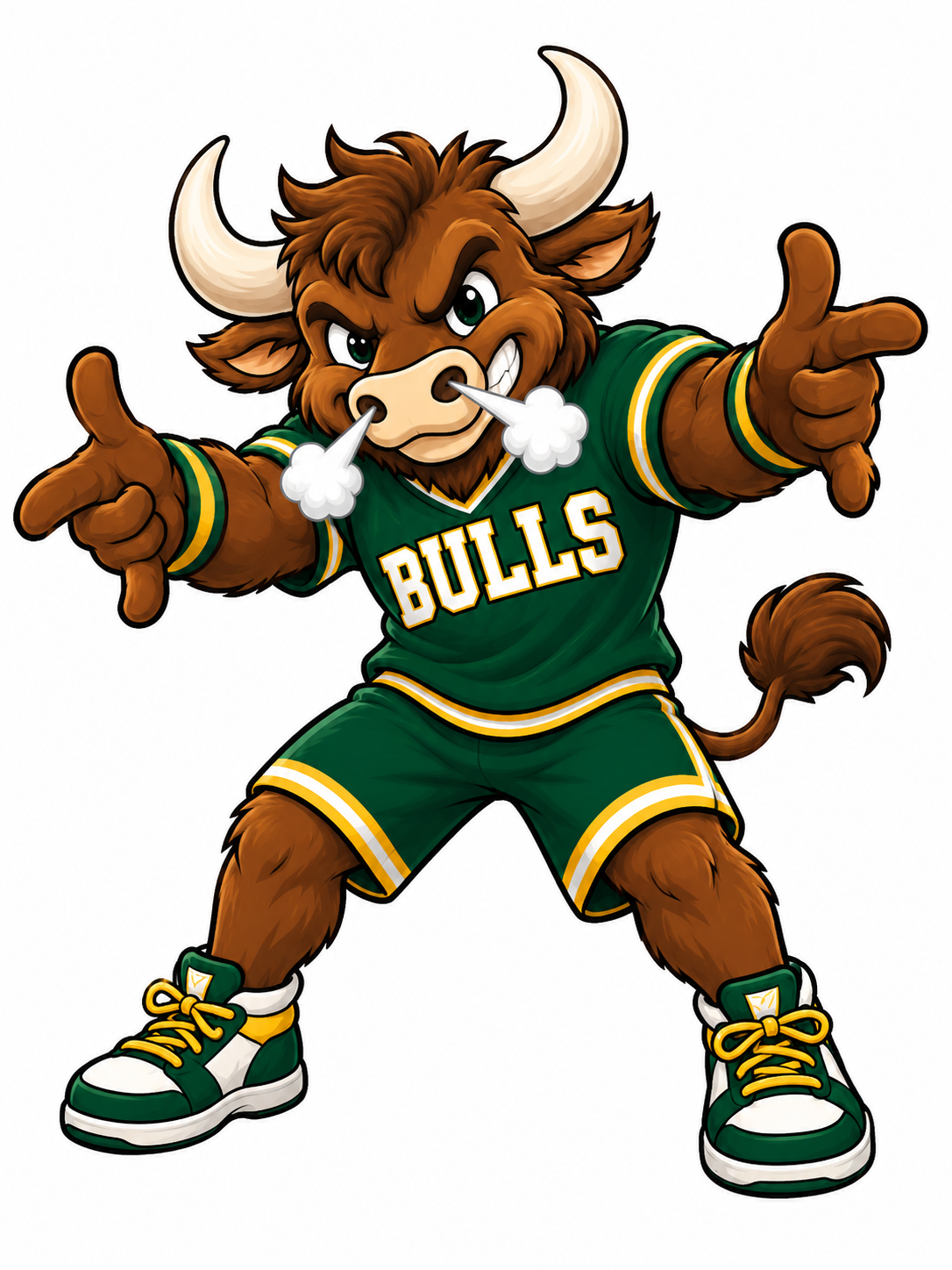
Give an athletics program a perfectly good district or school logo and, somehow, it grows steam coming out of the nostrils. A lightning bolt appears. Someone adds a tennis racket. Pink ballet shoes. Flames. Sunglasses. Before you know it, your carefully designed mascot has morphed into a dancing eel promoting the spring fundraiser.
We understand the instinct. Teams, clubs, and activities want their own personality. Coaches want something that feels specific to their program. But every time someone modifies the logo, creates a new mascot variation, or invents a team-specific color palette, the school brand gets a little harder to recognize and manage.
The answer isn’t to squash school spirit. It’s to give athletics enough approved options that creativity can happen within the brand instead of on top of it.
That’s where a brand expansion can help. You don’t necessarily need a new brand or logo. You may simply need to give people more to work with. Expanded color palettes, secondary marks, patterns, icons, typography, sport-specific treatments, social templates, and clear examples can give staff room to create without reinventing the brand every time they need something new.
A good brand system should have enough flexibility for a varsity football schedule, an elementary family night, and a district annual report to feel completely different while still clearly belonging to the same organization.
The more useful your brand toolkit is, the less often someone feels compelled to give your mascot a tennis racket in the first place.
The Goal Isn’t To Stop People From Creating
Your teachers, coaches, administrative assistants, and principals are creating materials because they’re trying to communicate. That’s a good problem to have.
The goal isn’t to turn communications into the Department of No.
It’s to build a system where the easiest way to create something is also the right way.