

COMMUNITY EDUCATION
Building a Brand for Lifelong Learning
For some families, Community Education is their first connection to the school district. For others, it provides a way to stay involved long after K–12. Effective Community Education branding strengthens both relationships: Community Education benefits from the district’s trust and reach, while the district gains more opportunities to serve residents over time.

Standing Out Without Standing Apart
Community Education departments often want an identity of their own. Their programs reach beyond the traditional school audience, and they want the brand to reflect that broader role.
However, operating too separately from the district can lead to duplicate marketing, disconnected systems, and missed opportunities. The district may overlook Community Education as an enrollment and relationship-building resource, while Community Education loses the benefit of the district’s recognition and communication channels.
The goal is not to make the brands identical. It is to clarify their relationship and make it useful to both teams.
Creating Connection Without Losing Identity
Community Education serves people at many stages of life, from families exploring preschool to adults looking for new skills or community connections. Each audience may have different needs and reasons for participating.
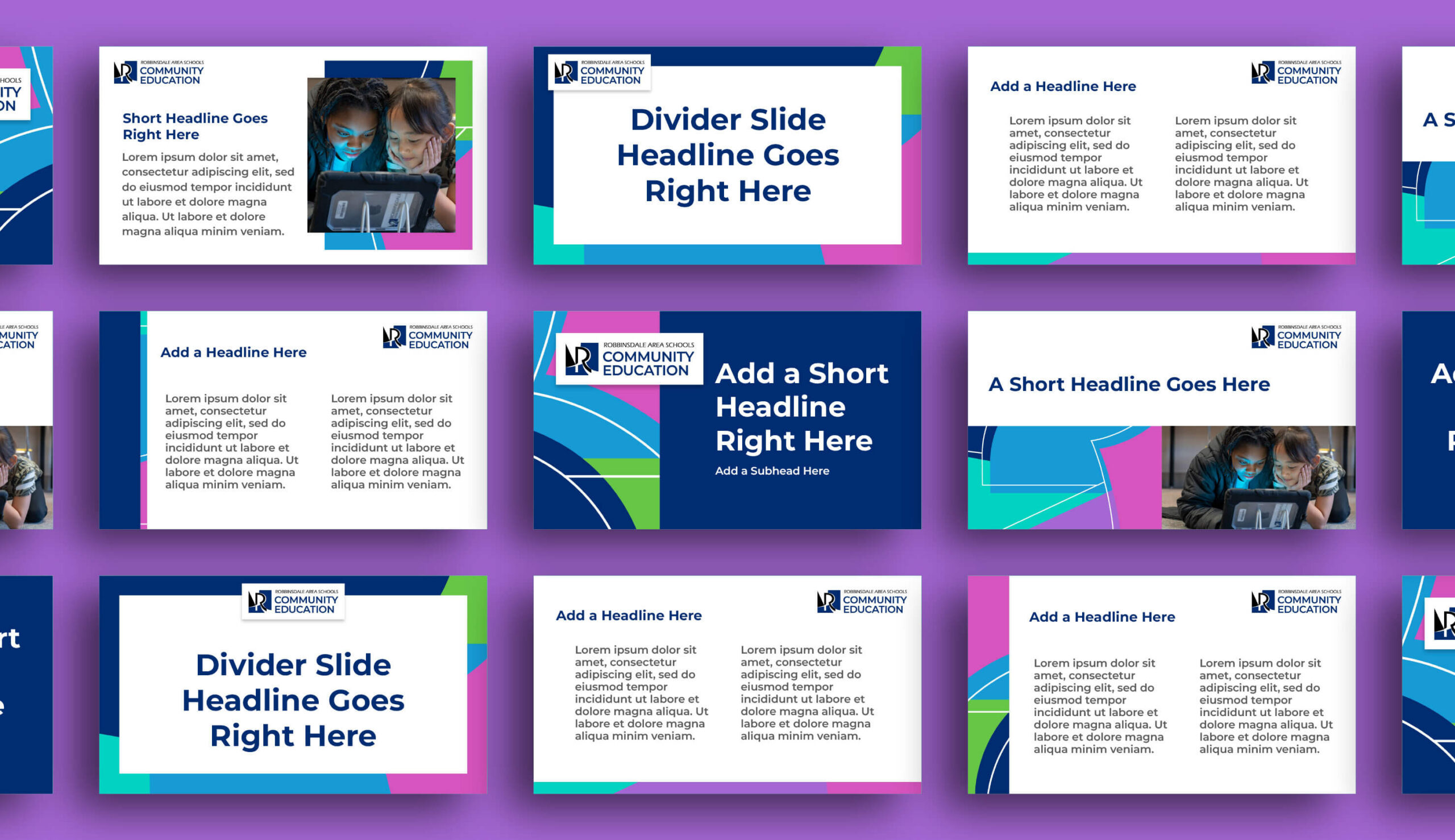
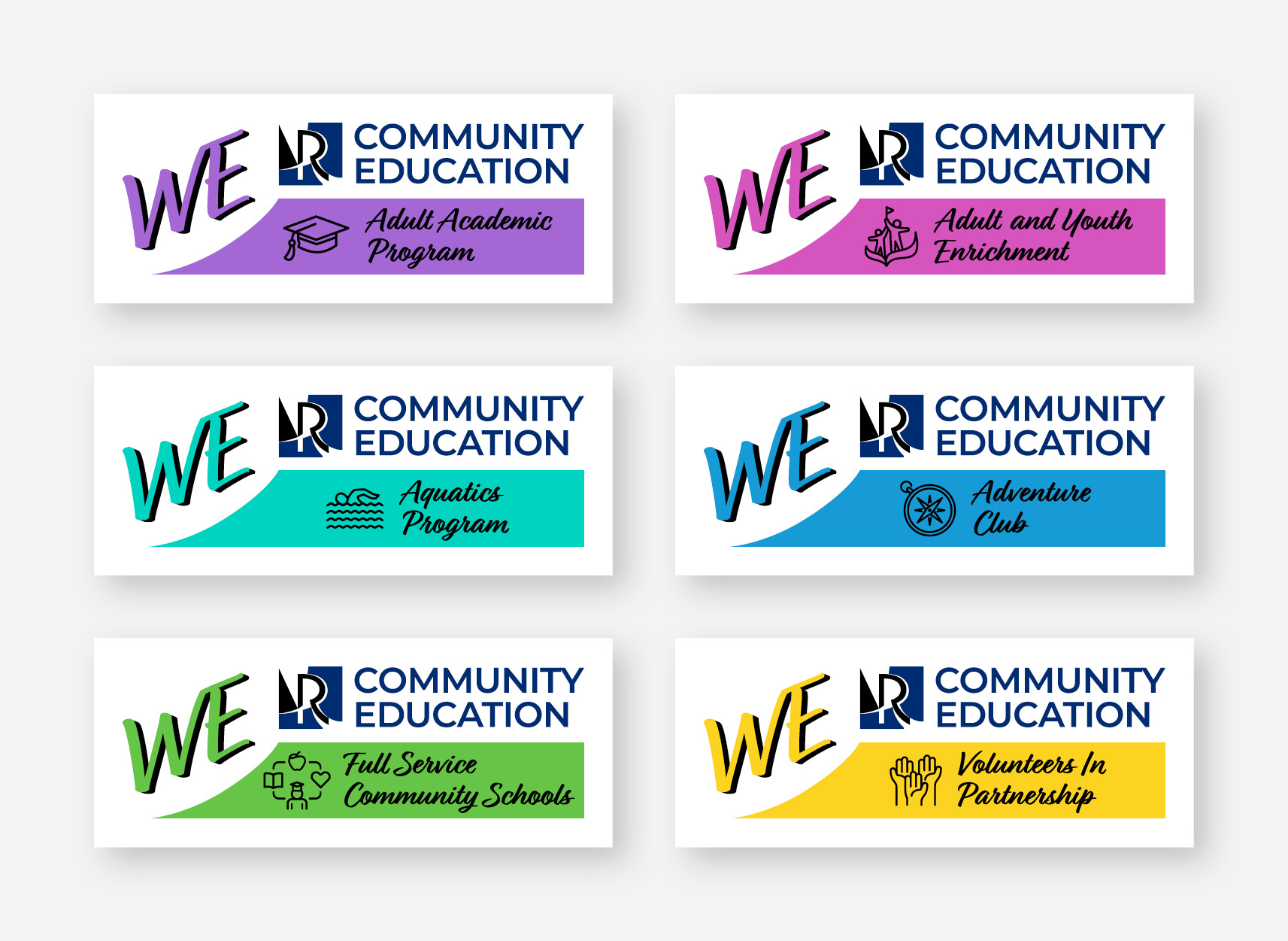
The brand must work across those differences without feeling scattered or overly focused on young children. CEL helps to creates that balance by carrying recognizable district elements into a more flexible Community Education system. Shared colors, typography, common shapes or logo structures keep the connection visible while giving the sub-brand room to be more expressive.
Clear communication helps people understand what is offered, while inclusive imagery helps more residents see themselves in the programs and experiences being promoted.

Expanding Access Beyond the Catalog
Community Education teams often manage a wide range of programs with limited staff and a high degree of independence. That structure helps departments respond quickly, but it can also mean communications are created across separate tools and systems, without the same review or accessibility support and oversight available elsewhere in the district.
Printed catalogs still play an important role, but they are no longer enough on their own. They can be difficult to update, slow to translate, and challenging to use for people who rely on mobile devices, screen readers, or other assistive technology. Making a catalog available as a digital flipbook does not automatically make the information accessible or easy to find.
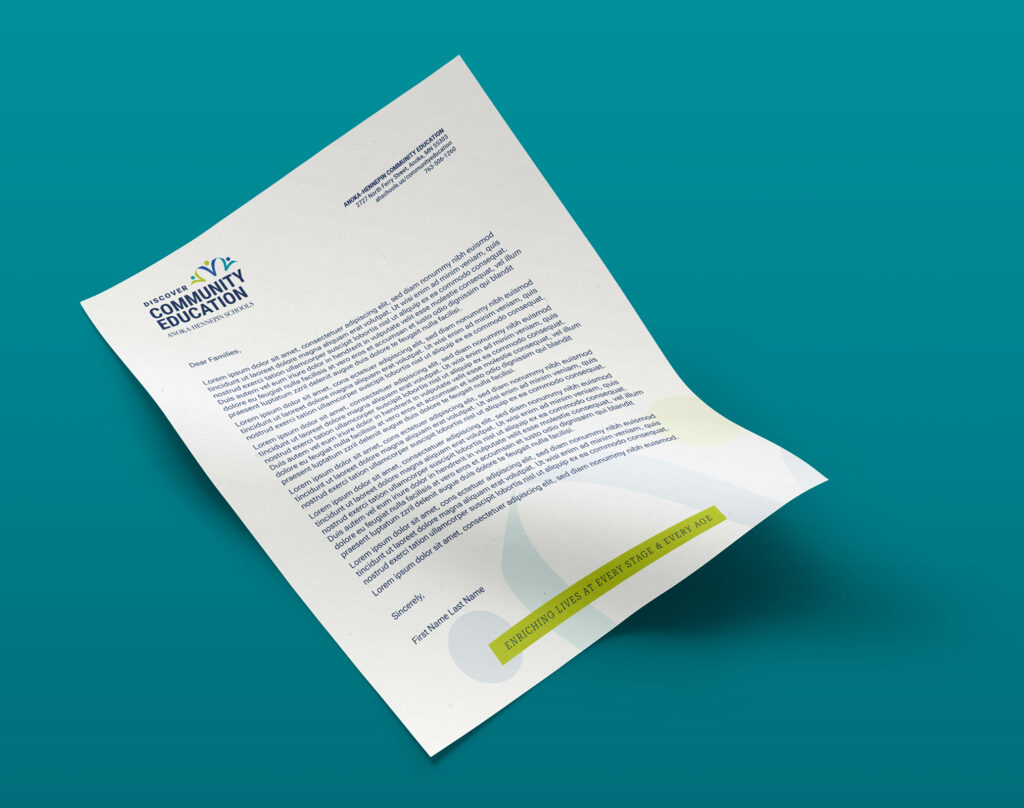
The goal is not to replace the catalog. It is to create a stronger system around it. CEL helps Community Education teams develop clear webpages, accessible templates, readable materials, and consistent registration paths so more people can understand what is offered and take the next step.

From Recognition to Participation
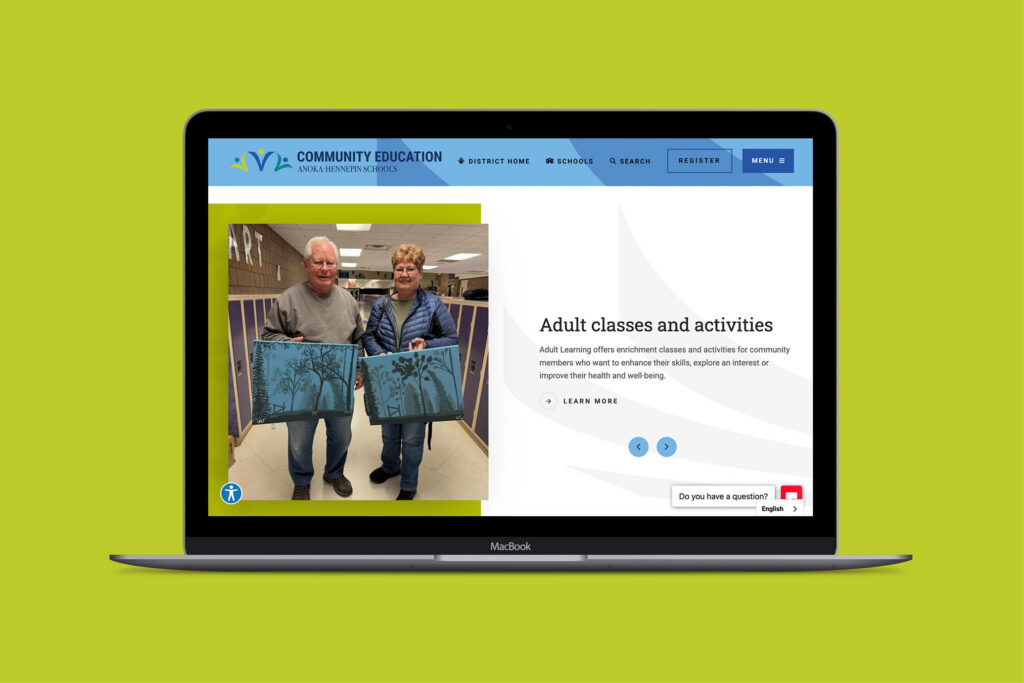
Brand recognition is only useful when people can act on it. District websites should provide a clear path to Community Education, while program pages should make registration steps and next actions easy to understand.
For a multigenerational and multicultural community, clear navigation, plain language, and timely translation can reduce the distance between noticing an opportunity and participating in it.
When branding, accessibility, and marketing work together, Community Education becomes more than a separate department. It becomes a stronger entry point into the district and a way to keep people connected throughout their lives.