
ANOKA-HENNEPIN SCHOOL DISTRICT
Creating Clarity at Scale for a K–12 School District Website
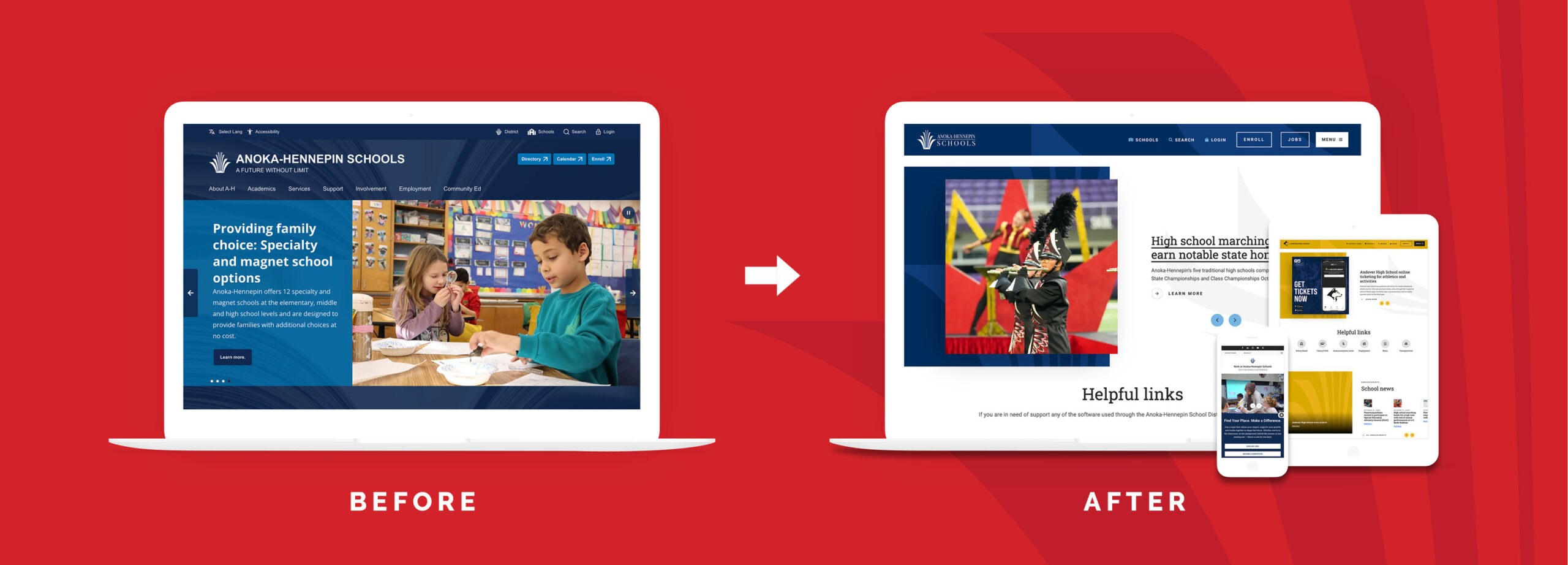
Anoka-Hennepin School District is one of Minnesota’s largest districts, serving nearly 40,000 students across a wide range of schools and programs. Their website is often the first point of contact for families and needed an overhaul. They partnered with CEL to refresh the site’s structure and design—making information easier to find, simpler to maintain, and more consistent across devices.
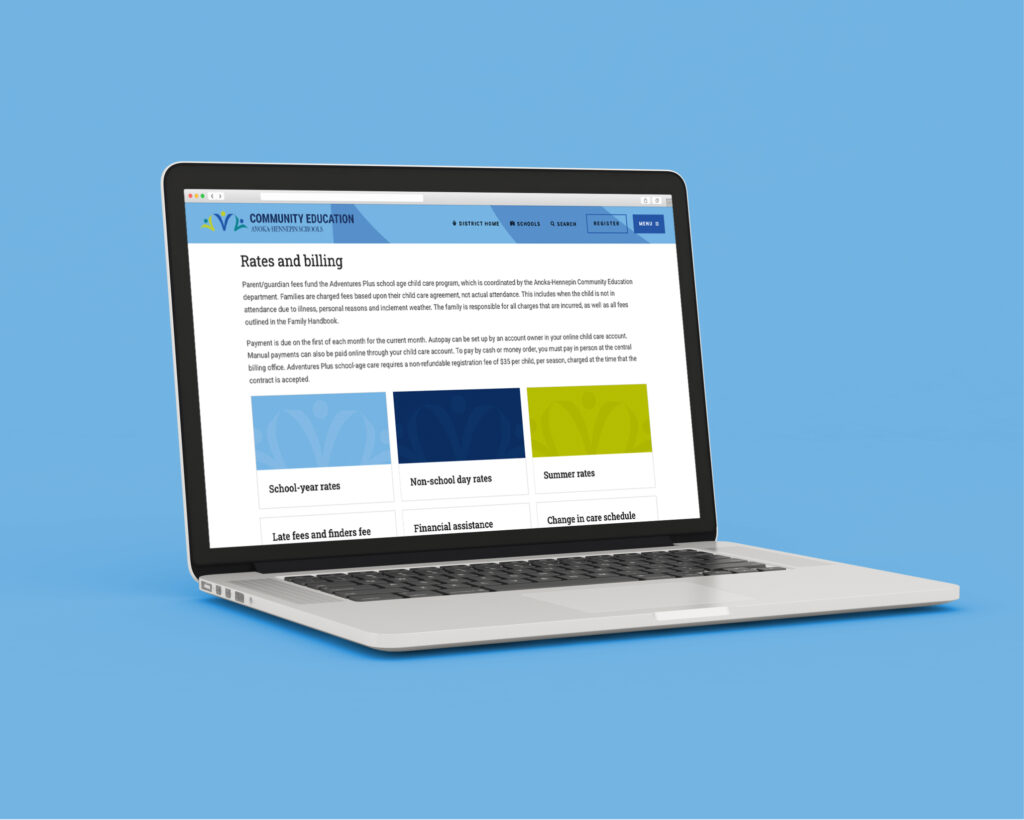
Consistency from Screen to Screen
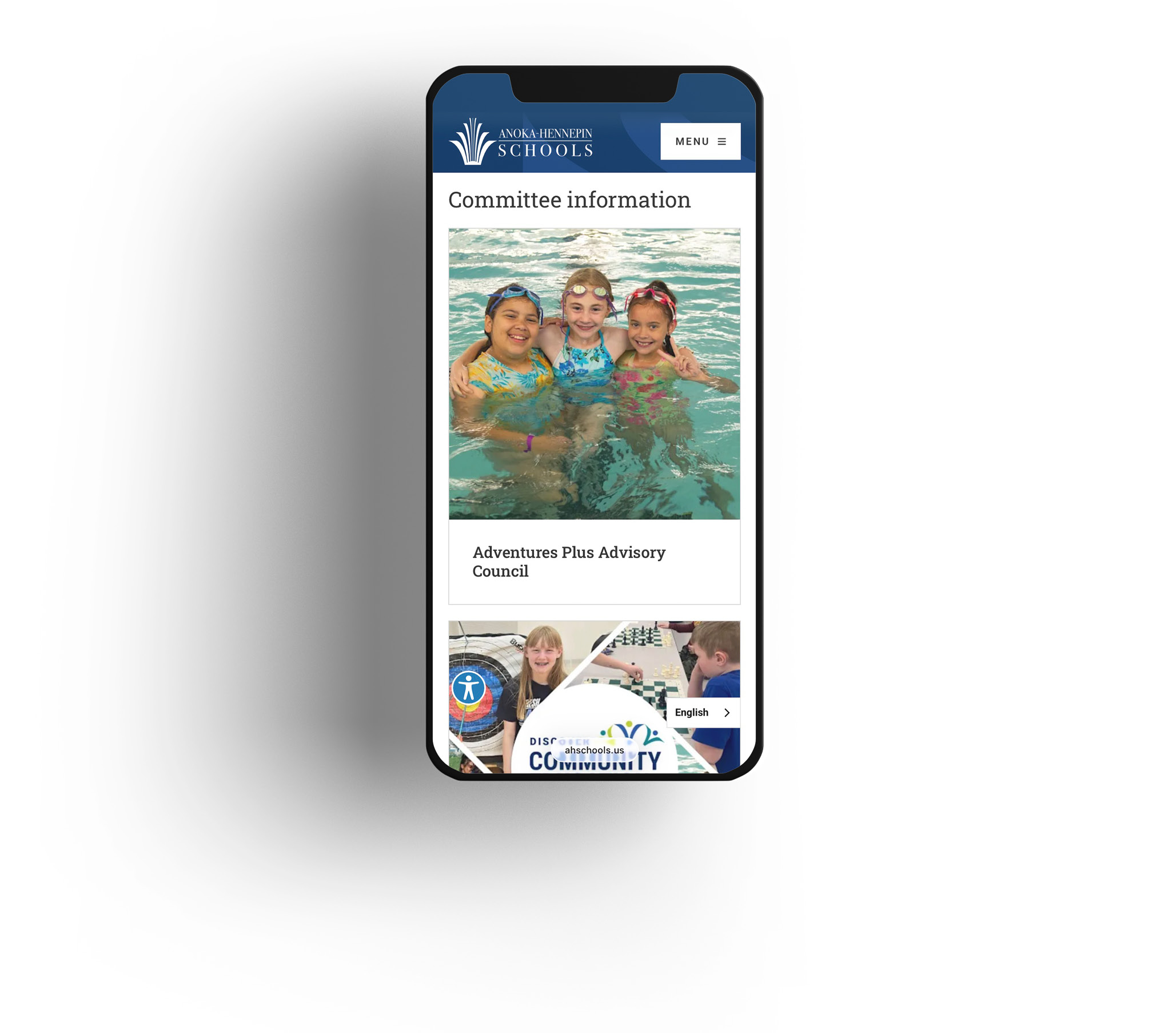
One of the biggest wins from the website optimization was predictability. Families shouldn’t be asked to relearn a new website every time they click between schools.
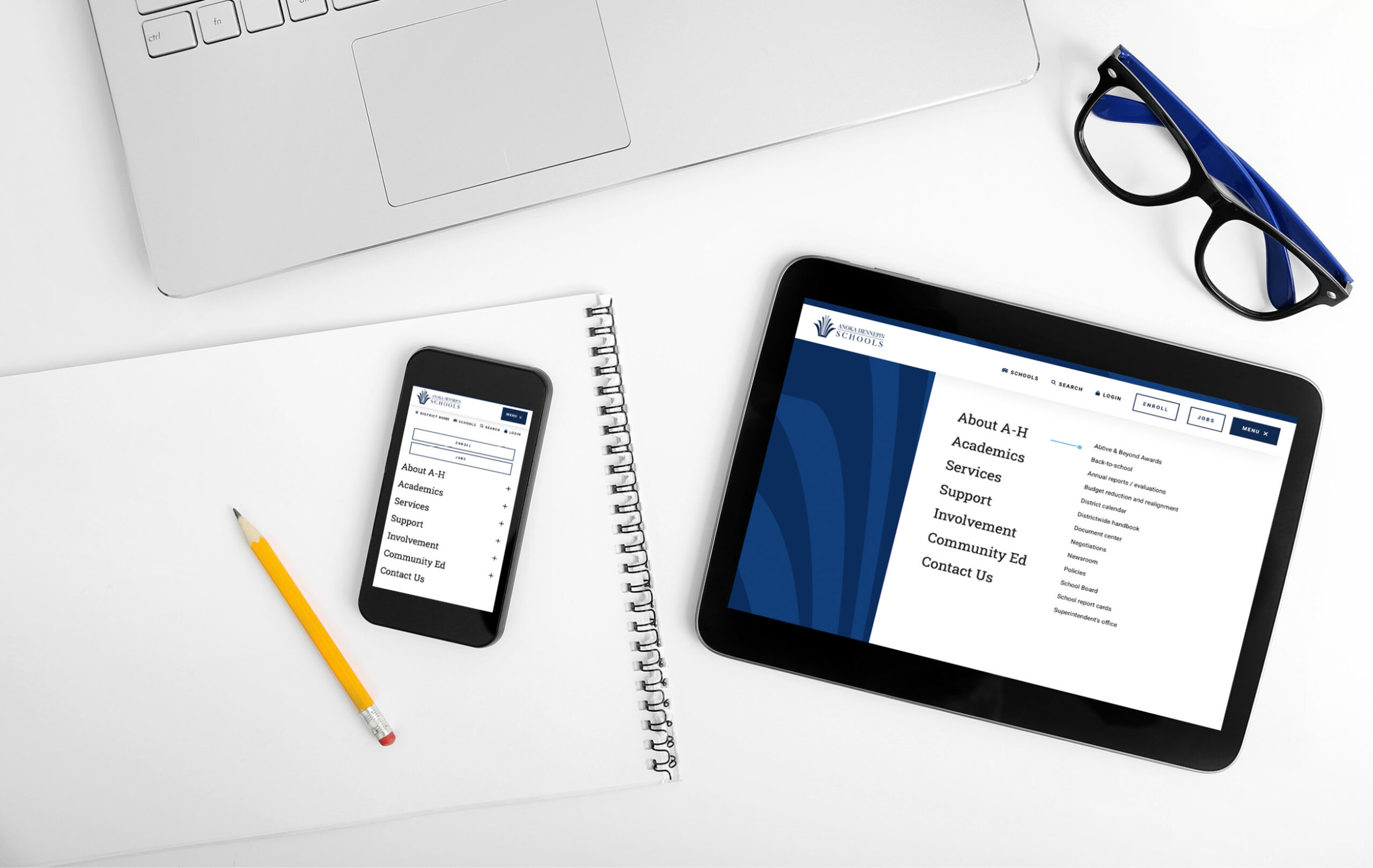
We focused on consistent patterns and design choices across district and school sites—so families know where to look no matter where they are. Standard placement of key information, repeatable page layouts, and a consistent visual hierarchy create a predictable experience that works just as well on mobile as on desktop.
Streamlining a Massive Site Footprint
As a district’s web presence grows over time, one of the biggest friction points is page sprawl—duplicate content, fragmented topic areas, lost subpages, and one-off “mini-sites” created inside of the main site to meet short-term needs.
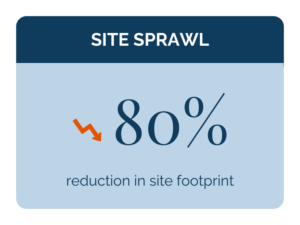
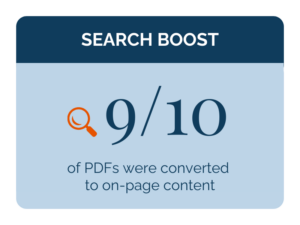
In this redesign, the website footprint was significantly reduced by consolidating content into clearer, centralized destinations—without losing the information families and staff rely on day to day. Moving content out of PDFs and into structured pages improved searchability and reduced dead ends across the site.
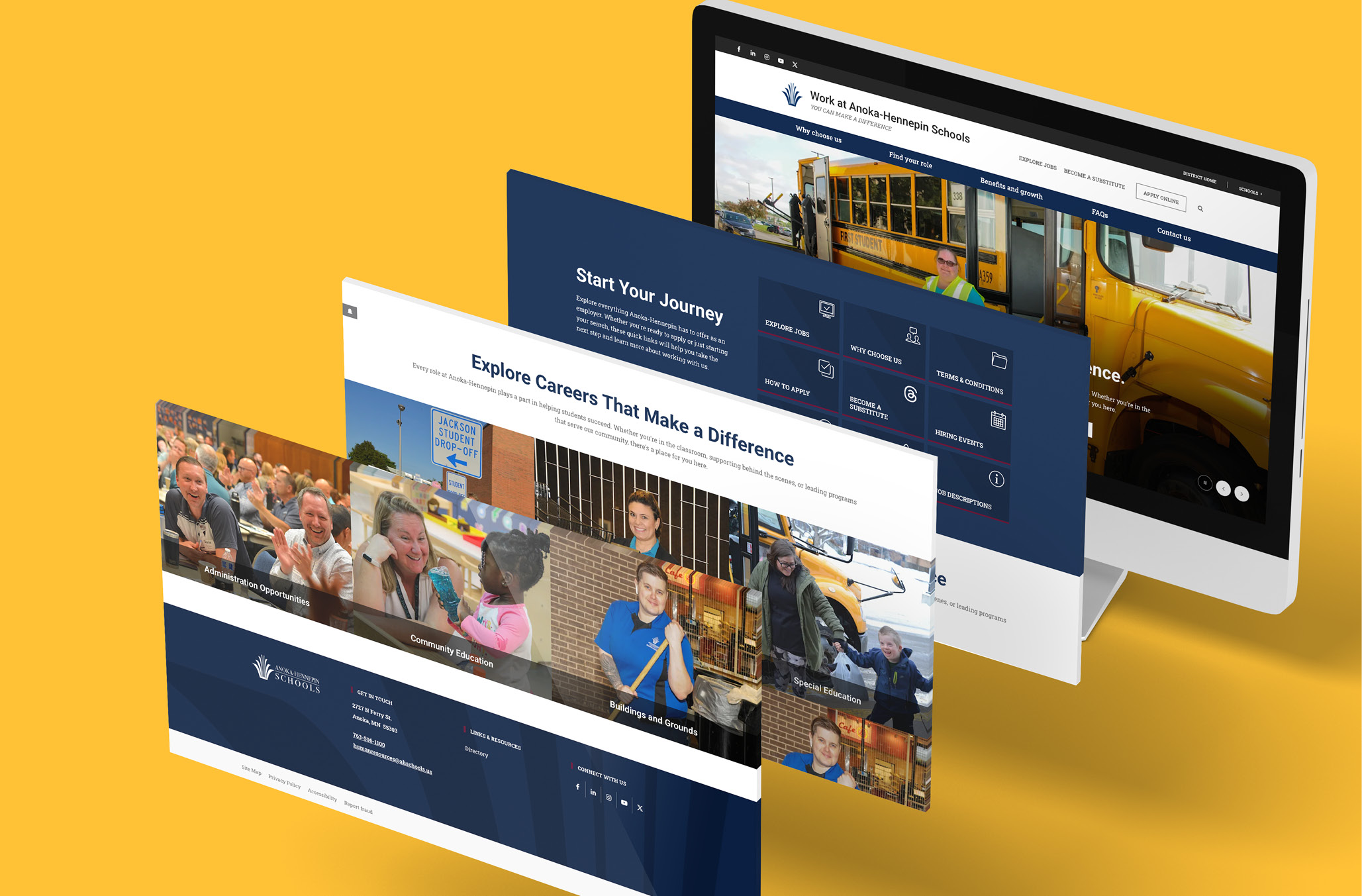
Recruitment that Markets the District, Not Just the Job Listing
To support the district’s hiring season, CEL worked with the district communications team to launch a dedicated jobs microsite that consolidated employment openings, benefits and career pathways information into a single, easy-to-navigate experience. Designed to rank independently of the main district website, the microsite improves visibility for job-related searches while remaining prominently accessible via a persistent “Jobs” button at the top of the district website.
Instead of sending candidates straight into a third-party system, this microsite creates an intentional interim experience that highlights key roles and hiring initiatives and explains the “why,” not just the “what’s open.” This approach helps applicants connect with the district, build confidence, and feel connected before being routed to the application portal.
Search Built by Behavior, Not Department
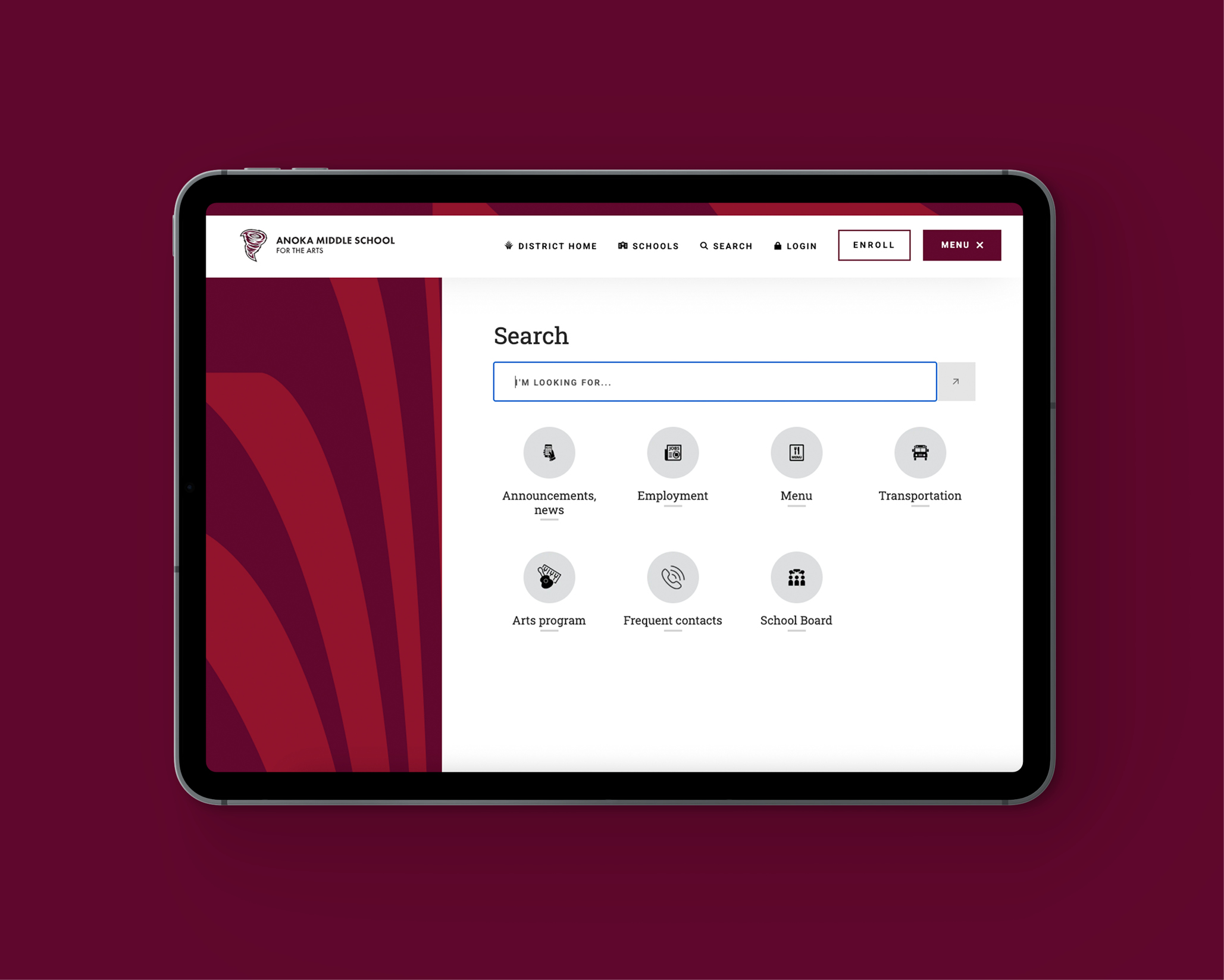
Finding information shouldn’t require insider knowledge. To support this, page titles and navigation labels were intentionally written using plain language rather than internal or departmental jargon, where applicable. This approach aligns more closely with how families actually search for information, improving on-site search results and helping users quickly understand where they are.
By prioritizing clarity and context in page titles and content, the site now delivers more relevant results based on context—whether families are browsing a school, the district, or Community Ed. The result is a more intuitive experience that helps families stay oriented and find answers with fewer clicks.
Flexible Landing Pages for High-Impact Topics
Some district topics are too important—and too complex—for a single page. They need one clear place where updates, resources, and next steps live together and stay easy to find. To support this, we introduced flexible landing-page frameworks that bring related content together in a way that’s easy to scan, easy to maintain, and family-first by design.
Early learning uses this framework to bring program information, pathways, and next steps into one place. Community Ed–led programs are surfaced within the district site, so families can get started without needing to understand the internal structure. The result is a clearer entry point that supports enrollment and fits seamlessly within the broader district experience.
Refreshing a website of this size requires more than good design. It requires aligning how information lives, how people find it, and how the system works as a whole. Through its work with CEL, Anoka-Hennepin Schools created a clearer, more connected website experience—one that supports families today and can continue to evolve over time.